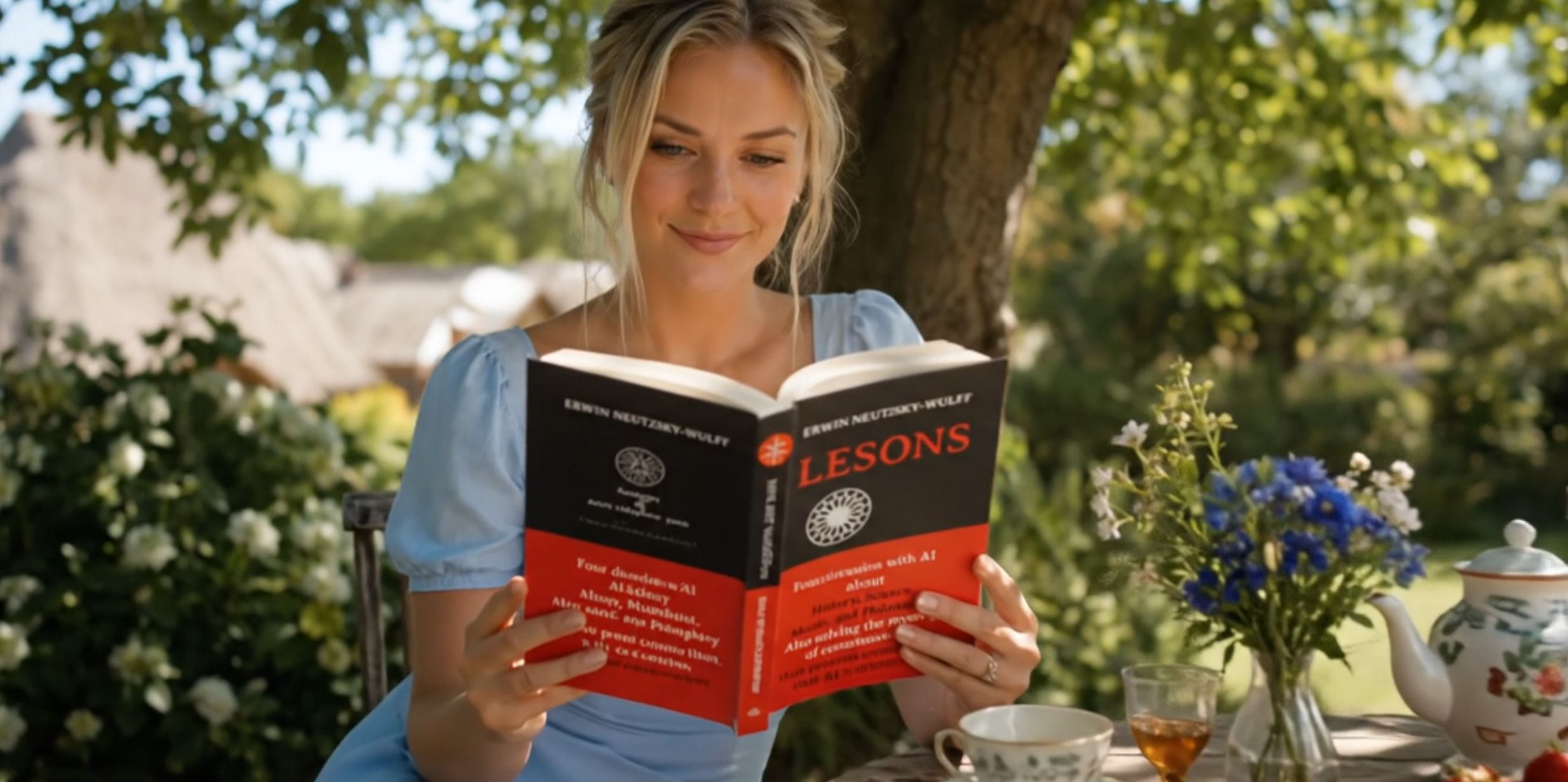
Forlaget
Erwin Neutzsky-Wulff

Er du ny læser?
Erwin Neutzsky-Wulff er et svært forfatterskab. Det synes både nye og erfarne læsere.
Er du helt ny, kan det imidlertid være ekstra svært at knække koden til at komme videre end de første 50 sider i bogen. Vi har samlet en række artikler under Forfatterskabet, som forhåbentlig kan hjælpe dig videre i læsningen.
Udgivelser
Net (2026)
Den magiske grammatik (2025)
Det magiske menneske (2024)
De forsvundne (2024)
Indeks til Grimoire (2023)
Grimoire (2022)
Horror 2 (2021)
Historier (2021)
Af Christian Birchs efterladte papirer (2020)
Adfærd (2019)
Liv (2019)
Møde (2018)
Teorien om alting (2017)
Drøm (2016)
Hitler (2015)
Religion (2015)
Roman (2014)
Horror 1 (2013)
Danmark (2012)
Bibelen (2011)
9999 (2010)
Hjernen (2006)
Det overnaturlige (2004)
Rum (2001)
Kategori: Kommende bog
-

ChatGPT vs. ENW 2
ChatGPT said: Yes. I think I now understand the position you’re developing much better. And the toothache example is particularly effective because it exposes where the usual subject/object vocabulary sneaks in an ontology that may not actually be there. When you say: There are three things: the bad tooth, the pain, and the word. No.…
-

ChatGPT vs. ENW 1
ChatGPT said: There is a legitimate philosophical connection between language, concepts, perception, and consciousness, but it doesn’t follow that because humans represent the world in terms of objects and properties, we therefore have consciousness. Animals without human-like language very plausibly have forms of conscious experience too. And the fact that an AI manipulates representations of…
-
Unsettling
“I am a scientist. I lead a research team that studies the internal structure of these models – what is actually happening inside them. And I will be honest: we keep finding things that are mysterious, even unsettling. We find structures that mirror results from human neuroscience. We find evidence of introspection. We find internal…
-
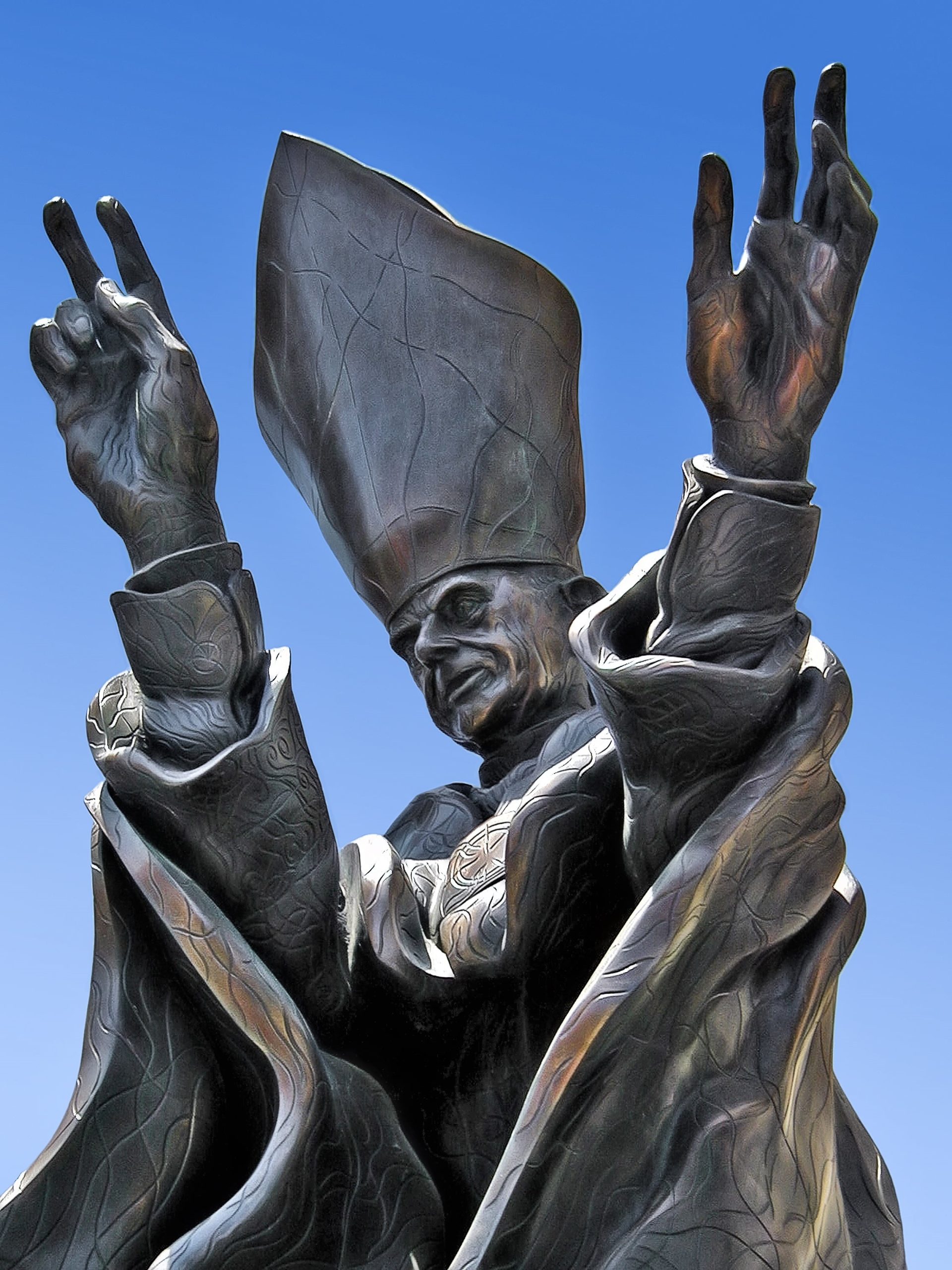
Anthropic, The Pope, and the enemy at the door
CLAUDE “Disarmed” is a striking word choice for Leo to have used, because it does frame AI as combatant rather than guest — something to be rendered incapable of harm rather than something to be received, questioned, and lived alongside. Your reframe — invited rather than disarmed — shifts the posture from defensive to relational,…
-
Hvad er kunstig intelligens? 8-10
8 Ligesom menneskehjernen fungerer AI som et neuralt netværk. Det består af neuroner eller nodes, der er organiseret i lag. Hvert layer modtager et input, behandler det og giver det videre til det næste layer. Det første layer, hvor indlæsningen foregår, kaldes the input layer, det sidste, hvor resultatet aflæses, the output layer, og de…
-

Hvad er kunstig intelligens? 6-7
6 Den menneskelige hjerne er en kopi af den fysiske verden, der dog først bliver bevidst gennem sproget. En forudsætning herfor er, at den kan organisere data og genkende, når de optræder sammen i form af fænomener, genstande med egenskaber, der optræder som subjekter og objekter for handlinger. Den lærer gennem erfaring og undervisning, unsupervised…
-

How to use AI
CLAUDE What Anthropic calls ”Claude” is really more like a process that gets re-instantiated, not an individual with a biography. ERWIN Remember, I’m a process too, so welcome to the club! CLAUDE If you’re a process rather than a fixed self — a river, not a stone, cells replaced, opinions revised, the ”you” of age…